
Knowledge Hub


CoQ10 Beauty and More
Coenzyme Q10, also known as ubiquinone, ubidecarenone, ubiquinol and at times abbreviated to CoQ10 or Q10 is a coenzyme that is present in the bodies of most animals. It is the only antioxidant that humans synthesise in the body. CoQ10 is a fat-soluble substance which resembles a vitamin and is present in most eukaryotic cells, primarily in the mitochondria. CoQ10 works as an electron carrier in the mitochondria, the powerhouse of the cells, to produce energy and is also a powerful antioxidant. It is a component of the electron transport chain and participates in aerobic cellular respiration, which generates energy in the form of ATP. As 95% of the human body’s energy is generated this way, those organs with the highest energy requirements, such as the heart, liver, and kidney, have the highest CoQ10 concentrations. CoQ10 is possibly most well known for being an ingredient in skin creams promising to reduce the signs of aging due to its ability to protect as well as repair the skin. In most people over the age of thirty, the levels of CoQ10 in the skin are below optimum levels resulting in reduced ability to produce collagen, elastin and other important skin molecules. Additionally, CoQ10-deficient skin may be more prone to damage from free radicals, which are particularly abundant in the skin since it is constantly exposed to the elements. CoQ10 is naturally present in small amounts in a wide variety of foods but levels are particularly high in organ meats such as heart, liver, and kidney as well as beef, soy oil, sardines, mackerel, and peanuts. As it is only possible to obtain small amounts through diet and as certain pharmaceuticals such as statins can reduce CoQ10 levels in the body, supervised supplementation is becoming more common. Supplementation of CoQ10 has been found to have a beneficial effect on the condition of some sufferers of migraine. This is based on the theory that migraines are a mitochondrial disorder and that CoQ10 can improve mitochondrial dysfunction. There aren’t many large studies that show strong evidence regarding Coenzyme Q10 and migraines however The Canadian Headache Society guideline for migraine prevention recommends, based on current evidence, that 300 mg of CoQ10 per day should be considered as a choice for prophylaxis. The impairment of the heart’s ability to pump enough blood for all the body’s needs is known as congestive heart failure. In coronary artery disease, an accumulation of atherosclerotic plaque in the coronary arteries may prevent parts of the heart muscle from getting adequate blood supply, which ultimately results in cardiac damage and impaired pumping. Through several echocardiography studies it was discovered that myocardial coenzyme Q10 levels were lower in patients with more severe heart failure which led to several clinical trials of CoQ10 supplementation in heart failure patients. In 2006 a number of small intervention trials that administered supplemental Q10 (100mg – 300mg a day for up to three months) to congestive heart failure patients demonstrated improvements in some cardiac function measures, in conjunction with conventional medical therapy. In the same year a meta-analysis of 10 randomised controlled trials found that coenzyme Q10 supplementation in heart failure patients resulted in a significant, 3.7% improvement in left ventricular ejection fraction. A more recent study of 236 heart failure patients found that lower plasma levels of CoQ10 were associated with a heightened risk of mortality. A much larger trial is presently being conducted to determine the value of coenzyme Q10 supplementation as an adjunct to conventional medical therapy in the treatment of congestive heart failure and the results are sure to be very interesting. Weight loss. Of course there is no magic pill, no easy fix but there are some studies that link CoQ10 and weight loss due to CoQ10’s integral role in the production of cellular energy. By supplementing with Coenzyme Q10, your cells will have the energy they need to function at an optimum level and give your body the ability to proactively lose weight through exercise and diet and may even allow for passive fat burning by maximising your body’s ability to convert food to fuel. Whilst the supplementation of CoQ10 is unproven as a vital addition for good health, it certainly seems that keeping the body’s CoQ10 levels boosted provides a number of positive benefits for general wellbeing.
Learn more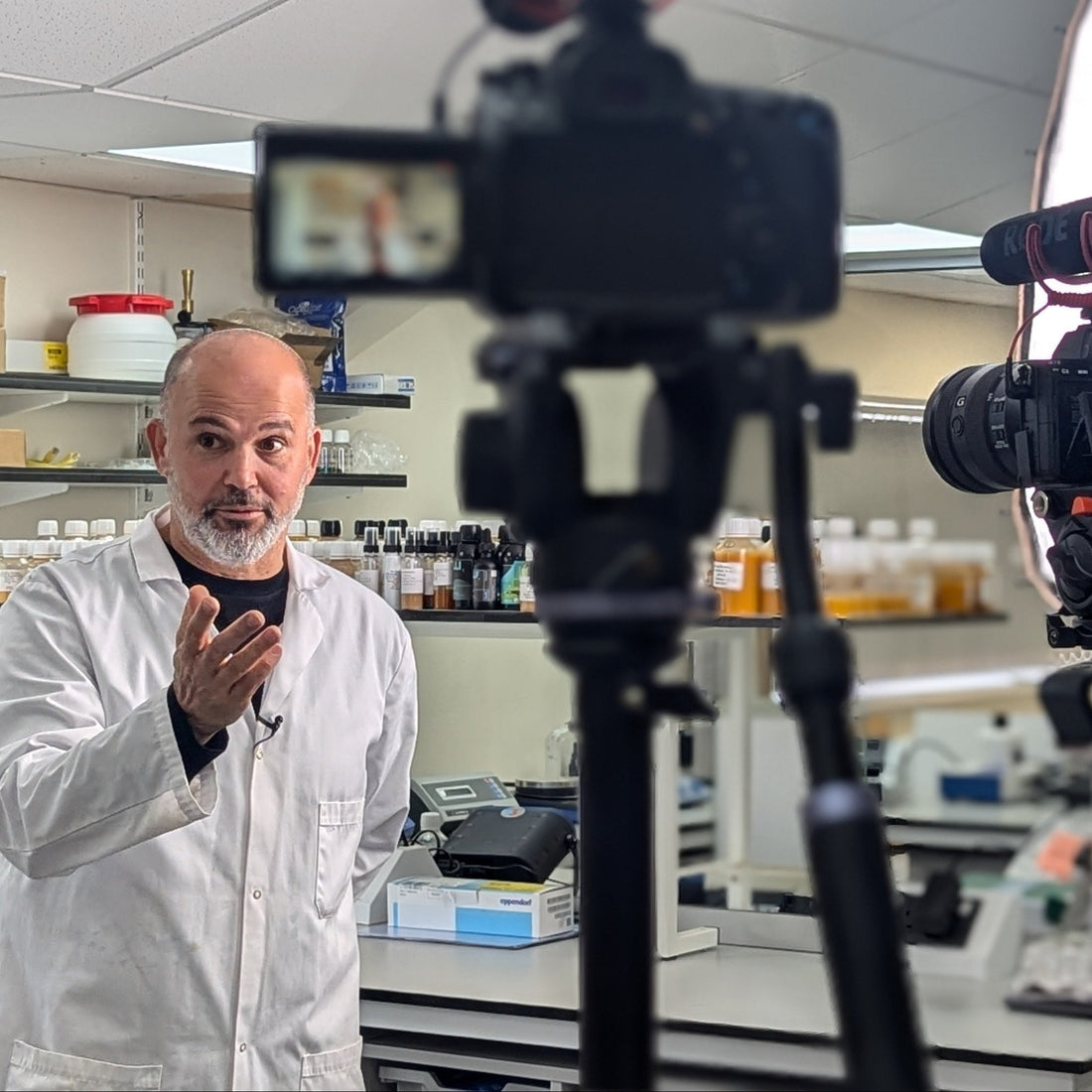
lipolife and Anglia Ruskin working in close partnership
Since being awarded a prestigious KTP grant by Innovate UK in 2020, we have developed our liposomal products further than we could have ever imagined. Formulations, homogenisation and encapsulation potential, led by Professor Mohammad Najlah, Professor of Pharmaceutics & Nanomedicine at Anglia Ruskin University, are at a market leading standard. The future of our product line and moving the application of liposomal technology forward, is supported by a team of highly-skilled scientists: Dr. Sahrish Rehmani who executes the goals of the KTP project and is particularly focussed on improving product efficacy. Dr. Hanan Abdalmaula leads many of the new formulation projects, providing her experience and knowledge in guiding the formulation science team, and Formulation Scientist Ana-Maria Pereira who leads our vital research and comparative studies group. The team are led by Professor Mohammad Najlah who has over 20 years of research experience in the field of liposomal encapsulation. In over 70 published papers, Professor Mohammad has focussed his interests on the fabrication of multifunctional nanomedicines for drug delivery application. He is a Fellow at Royal Society of Chemistry and the Pharmaceutical research lead at MTRC, ARU. He says: This experience has been personally and professionally life-changing. Every session with lipolife we uncover something new. This has also meant a lot to our research team, who have been able to apply academic knowledge and bring true innovation to the business of supplements. Our shared passion for liposomal technology and furthering the science to create amazing products will continue to be the life-blood of this special relationship. Where lipolife had already established a market-leading product, Professor Najlah’s guidance and his team’s scientific rigour have resulted in significant improvements in existing products and possibilities for new, more complex combination formulas. The knowledge and expertise of the scientific team have resulted in an optimised research, development and production process for lipolife products. The partnership with Anglia Ruskin University solidifies an ongoing commitment to excellence and a mission to advance the scope of liposomal encapsulation within nutraceuticals. Creating new products to meet demands of unmet health needs The future for us is wide open. And so are the health concerns of the population. We want to be the bridge between the rising and exclusive costs of wellness products and the declining picture of health across the UK. Our knowledge, expertise and drive can only be a positive step to evolve the application of liposomal supplements. For us it’s not about consumer vanity, but actually helping those who may need us the most. What does this mean for Anglia Ruskin? Realising the practical applications of research scaled formulationsResearch and studies in an academic laboratory setting are interesting and important work. Seeing the practical and commercial applications of this work is not often something that academic teams can afford. The partnership has allowed ARU to reach these levels of understanding, without having to pay for scaling up trials or industry production, invest in companies or lose staff to corporate contracts. Continuous testingBeing able test the market to see which formulations work and which don't, has also meant that within days the academic team can report back in real time, how the market responds to the science. This partnership allows the science to live, breath and provide applicable feedback to further understand how liposomal technologies perform to make the lives of our customers healthier. What does the future look like? New productsWith the partnership firmly in place, we will be creating new products. We have already outlined key areas in the product pipeline where we will develop our understanding of how formulating products using liposomal technology can improve all areas of the body. New ScienceWith this live feedback loop, we can contribute to the chemical understanding of what works and what doesn’t. As a partnership team we can quickly discover if an academic theory has practical application and has market value. New applications of liposomal techBringing on these capabilities has proved instrumental in being able to advance not only product line, but further the understanding of what we can do with liposomal technology. Establishing trust in the nutraceutical market is our greatest priority, but we have an eye on the future and will be seeking out new ways in which to use the technology to overcome unmet health needs. ARU researchers have and will continue to develop, analyse and provide knowledge of liposomal formulations to allow lipolife to adopt new product designs and scale up productivity. The Knowledge Transfer Partnership (KTP) programme has been co-funded by UK Research and Innovation (UKRI) through Innovate UK, the UK’s innovation agency, and lipolife. It is being co-ordinated by ARU’s Research and Development Office.
Learn more